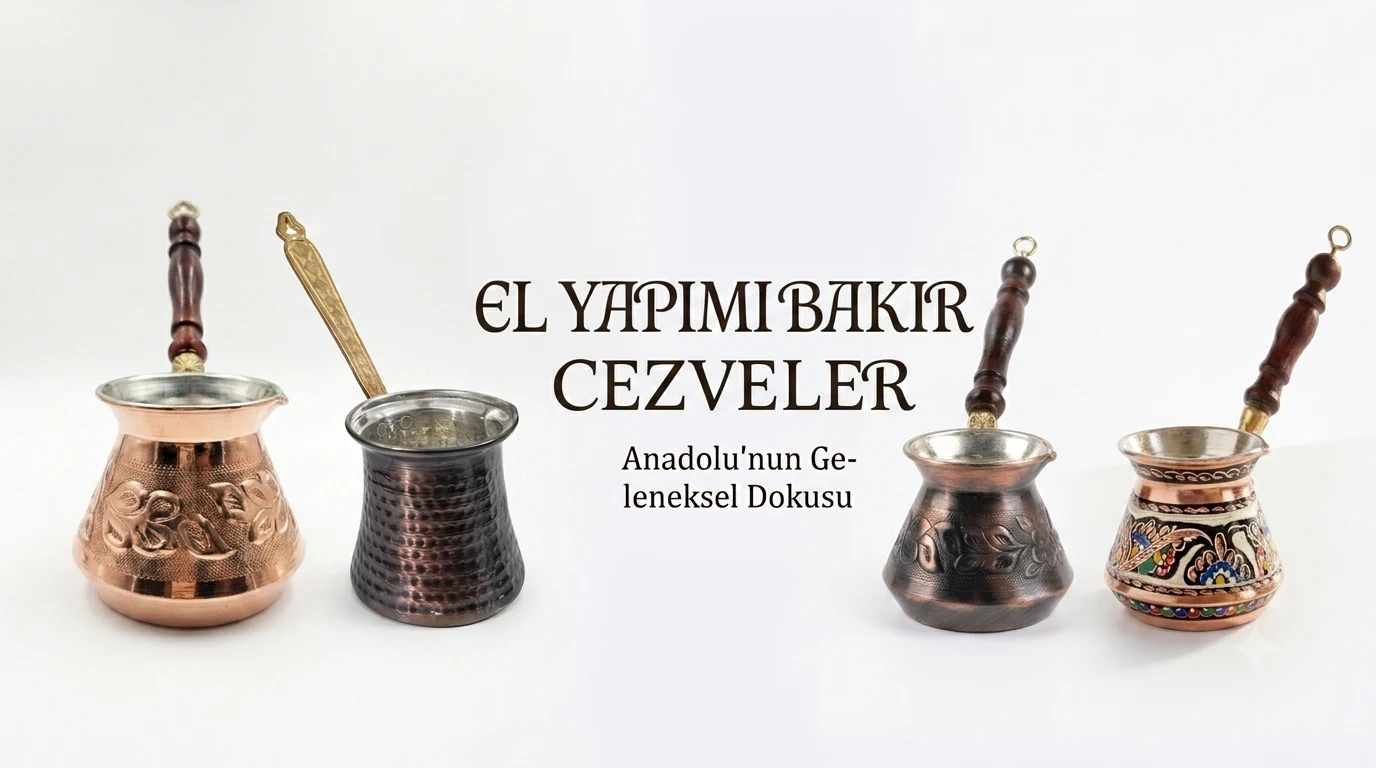
Copper moves heat fast and evenly, which is why it has stayed in kitchens for centuries. Put acid against it, though, and it reacts at once. A tomato stew, a lemon sauce, brine from a pickle jar all dissolve metal off a bare surface and carry it into the food. That is what the tin is for: a thin layer between the copper and the meal that takes no part in the reaction.
How long a tin lining lasts
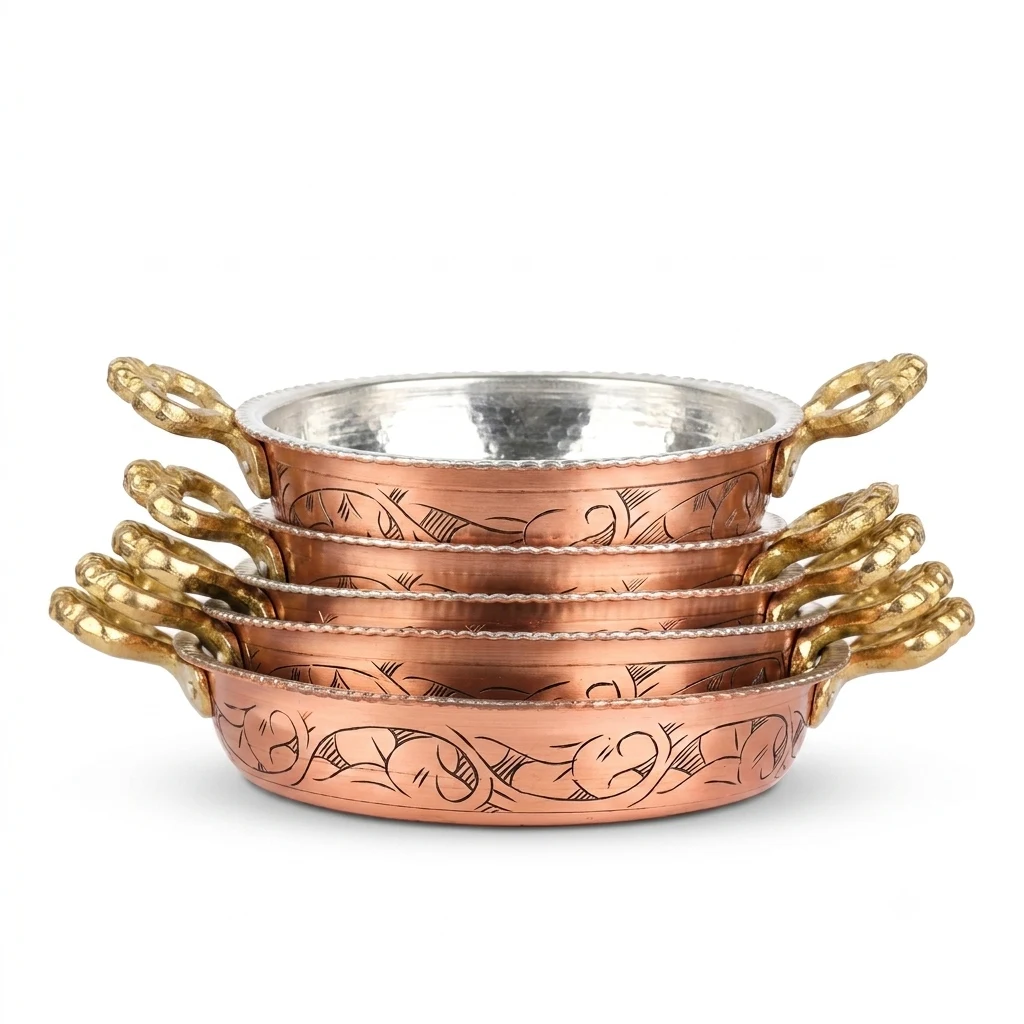
A pan leaving the workshop is matt silver-grey inside. Hand tinning spreads the metal with a cotton pad, so the surface is never perfectly flat; hold it to the light and you see faint ripples. A pan that goes on the stove every day needs relining after roughly a year. A skillet used once or twice a week lasts three years, and a big feast-day cauldron five.
Reading the lining
There is only one thing to look at, and that is colour. Pinkish orange patches on the grey mean the tin has gone through and the copper underneath is exposed. Tin does not thin from the rim inward; it opens in the middle. First a spot the size of a lentil, then that spot spreads.
- The centre of the base. Heat enters there and works the tin hardest. Nine times out of ten this is where the lining goes first.
- The wall at spoon height. Stir with a metal spoon and a bright band appears where it rubs.
- The taste. A metallic edge in a pale dish often tells you before your eye finds the spot.
One or two small spots are not an emergency; cook the next acidic dish in something else. But when the base has turned copper-coloured across, or bare metal covers more than a quarter of the inside, the pan is due.
Tin melts at 232 degrees
Keep that number in mind. With water or food inside, the pan sits at 100 degrees and nothing can happen. An empty pan on a high flame reaches 300 degrees at the base within three or four minutes. The tin runs, gathers into beads, and the surface stays blotchy once it cools. Looking at the pieces that come back to us, tin is lost to dry heating far more often than to honest wear. In the oven, stay under 200 degrees.
Getting a pan re-tinned
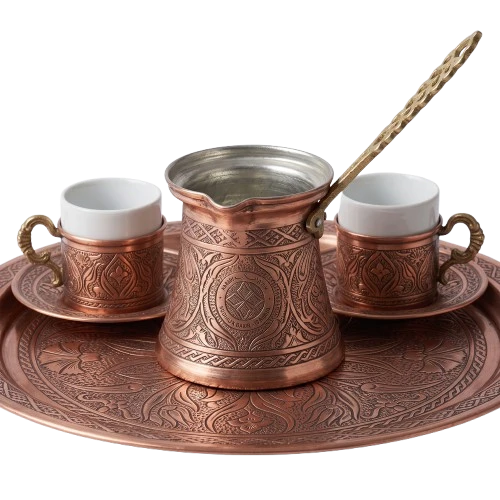
The tinsmith strips old tin and soot with acid, heats the piece over a flame, scatters sal ammoniac, runs a tin bar across it and spreads that with cotton wadding. A cezve takes ten minutes, a medium pan half an hour, a large cauldron over an hour. Most workshops take it in the morning and hand it back the same evening. The charge is worked out by weight and stays far below the price of a new pan: three relinings across a lifetime cost less than three pans.
What bare copper must not cook
- Tomato, tomato paste, sharp stews
- Anything with lemon, vinegar or pomegranate molasses
- Pickles, brine, vinegar marinades
- Yoghurt soups
- Wine, fruit juice, stewed sour fruit
Standing counts as much as cooking. Making a neutral dish in an unlined pan and tipping it straight out is one thing; leaving it in there overnight is another. Even in a properly tinned pan, do not keep leftovers in copper until morning. Move them to glass or steel.
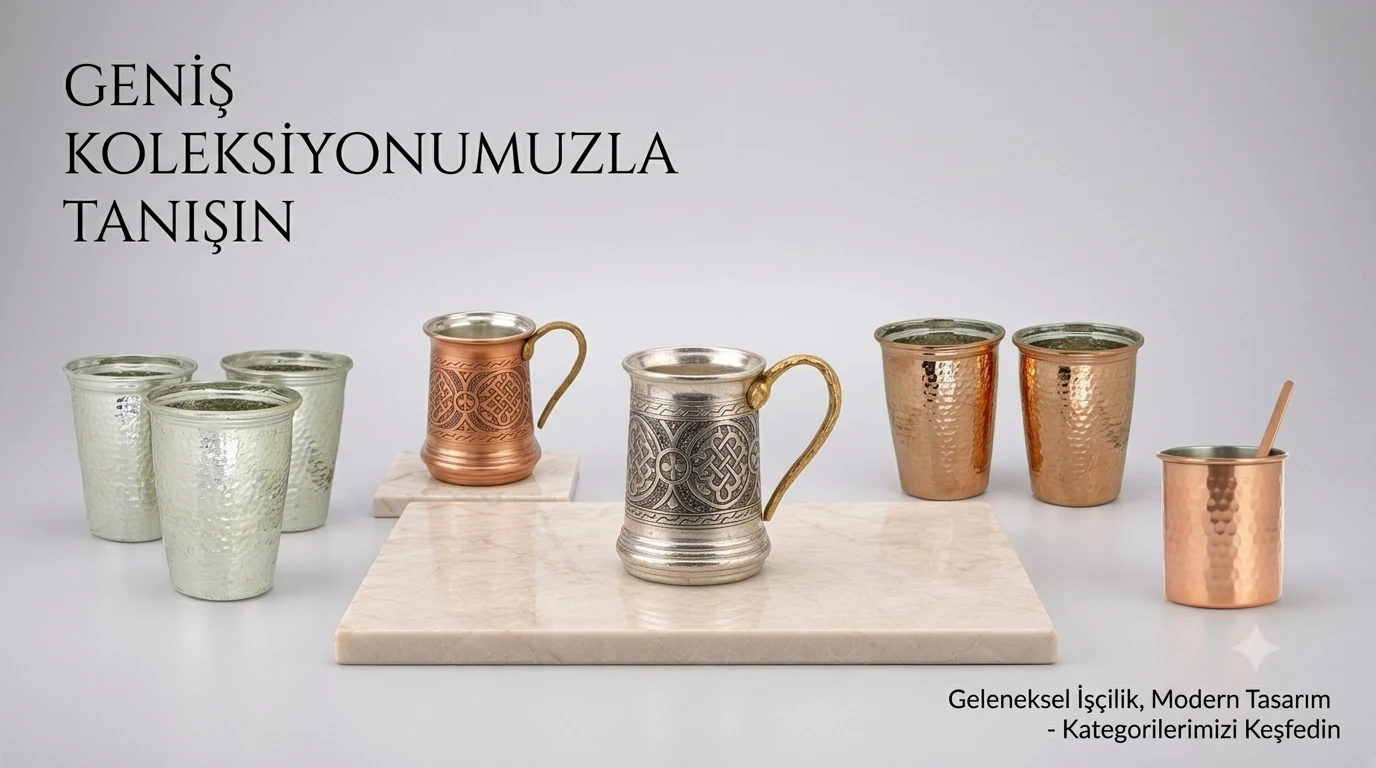
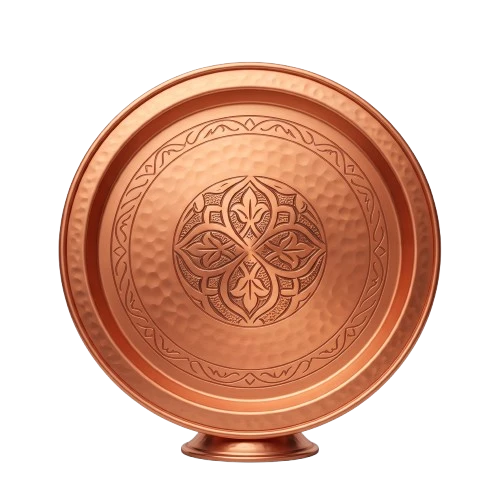
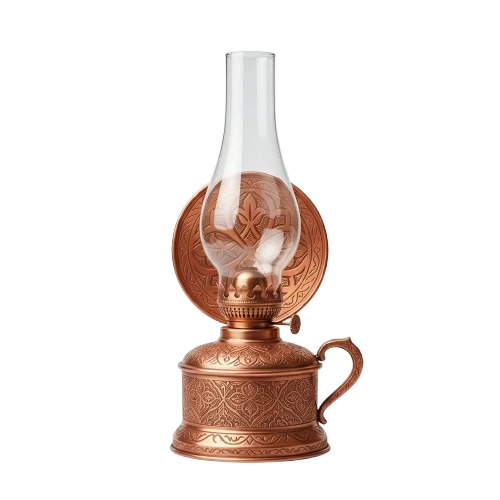
Decorative pieces need no lining at all. Wall trays, display ewers and candlesticks manage without, and we deliberately leave some of them bare so the copper colour shows on the inside too. The rule fits in one line: if food goes in, tin is not optional.