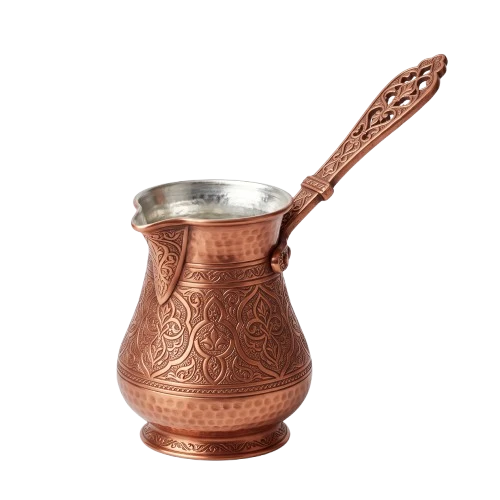
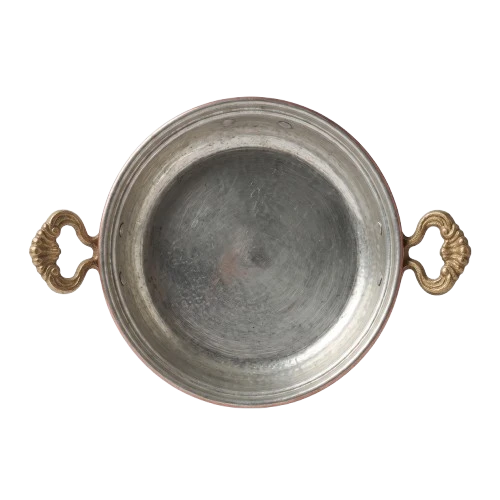
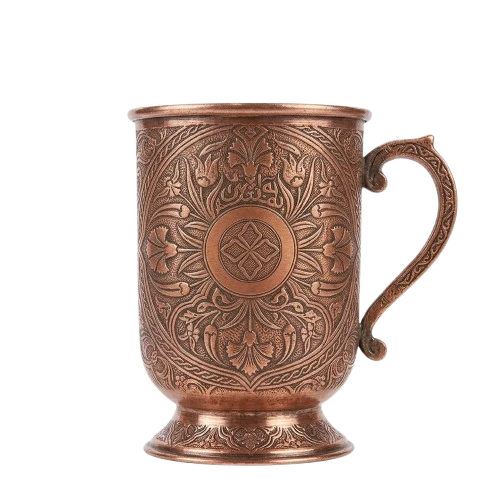
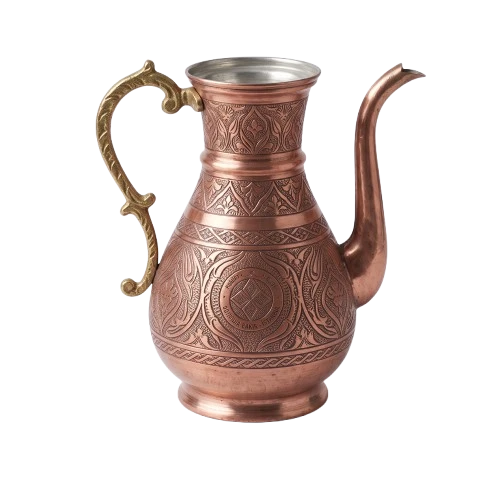
Copper Teapots & Samovars


TOPTANBAKIR
Family-Size Copper Tea Kettle with Top Handle – 5 LT Nickel-Plated
No reviews yet
$132.00$125.005% off

TOPTANBAKIR
Patterned Copper Tea Kettle with Warmer Stand 2.8 LT – Uncoated
No reviews yet
$101.00$95.975% off


TOPTANBAKIR
Copper Casserole-Style Samovar – 4 Litre Water + Demlik (Tea Kettle Included)
No reviews yet
$203.00$193.005% off


TOPTANBAKIR
Oxidized Copper Casserole-Style Samovar – 4 Litre Water + Demlik (Tea Kettle Included)
No reviews yet
$238.00$226.005% off


TOPTANBAKIR
Oksidain Series Oxidized Copper Tea Kettle with Warmer Stand – 2.8 LT
No reviews yet
$105.00$99.755% off


TOPTANBAKIR
Hand-Engraved Copper Tea Kettle, Punched Pattern, Medium Size – 2.8 lt, 0.70 mm, 850 Gr.
No reviews yet
$63.71$61.054% off


TOPTANBAKIR
Copper Tea Kettle Set with Top Handle – 2.8 LT Medium Size
No reviews yet
$101.00$95.975% off


TOPTANBAKIR
Handmade Copper Turkish Tea Kettle with Punched Floral Pattern (2.8 LT, 0,70 MM Sheet)
No reviews yet
$86.40


TOPTANBAKIR
Oxidized Copper Wood-Fired Samovar – Handmade 7 LT (Detachable Brazier)
No reviews yet
$246.00$230.007% off


TOPTANBAKIR
Hand-Hammered Copper Tea Kettle – 0.80 mm, 1100 Gr, 2.8 Lt
No reviews yet
$91.72$87.135% off


TOPTANBAKIR
Oxidian Series Oxidized Copper Single-Bottom Tea Kettle – 2 lt
No reviews yet
$57.16$54.285% off


TOPTANBAKIR
Hand-Hammered Copper Stovetop Turkish Tea Kettle 0.80 mm, 1100 Gr, 2.8 Lt
No reviews yet
$113.00$107.005% off


TOPTANBAKIR
Floral Patterned Copper Tea Kettle, Medium Size – 2.8 lt, 0.70 mm, 850 Gr.
No reviews yet
$86.40


TOPTANBAKIR
Copper 10 Lt Samovar (9 litre Water, 2.5 lt Brew) – Double Teapot, Detachable Firebox & Boiler
3.0 (2)
$262.00


TOPTANBAKIR
Antiqued Copper Samovar 10 Lt (9 litre water, 2.5 lt tea) – Twin Demlik, Detachable Brazier & Boiler
No reviews yet
$255.00$238.007% off


TOPTANBAKIR
Oxidized Copper Single Lower Tea Kettle 1 lt – Oksidian Series
No reviews yet
$49.19$46.735% off
Copper teapots and samovars
A samovar heats water in the lower body — over charcoal or with an electric element — while tea steeps in the pot on top. Copper holds heat for a long time, so the tea stays hot for hours. In double Turkish teapot sets the larger lower vessel holds water and the smaller upper one the tea; both are tin-lined inside.
What capacity do you need?
For a household, 1.5 to 3 litres is enough: three litres brews roughly 20–25 slim Turkish tea glasses. Choose 5 litres for a large family or regular guests, and 7–10 litres for cafés, restaurants and weddings. The stated size is the lower water reservoir; the teapot is separate.
Use and care
Stovetop models work on any hob; induction requires a steel disc under the base. On samovars with a tap, the washer hardens over time — replacing it once a year prevents drips. Limescale dissolves in a water-and-vinegar mix. Never wash in a dishwasher; wipe the outside by hand and dry it.