FREE shipping over $100.00
Secure payment with PayTR
Direct from the manufacturer
Track Order
Wholesale
Help
🇬🇧
EN · USD
toptan
bakır
Sign in
My Account
My picks
Wishlist
0
$0.00
My Cart
All Categories
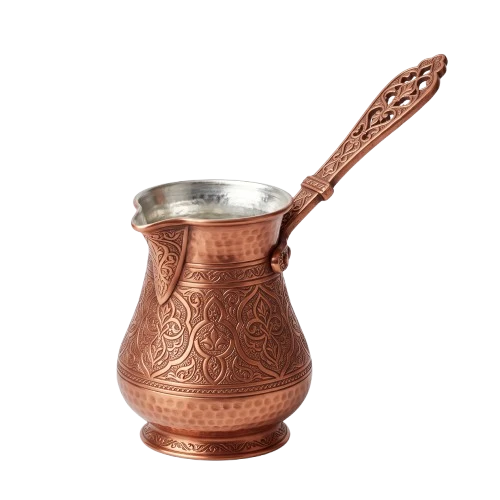
Cezve (Turkish Coffee Pots)
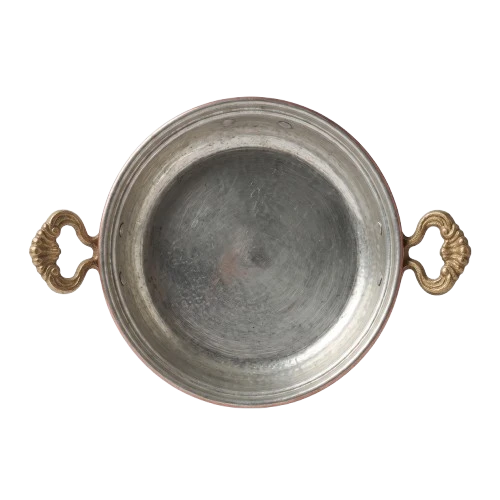
Pans & Sahan
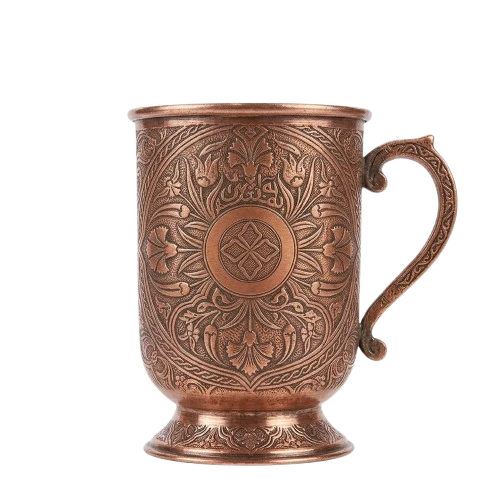
Glasses & Mugs
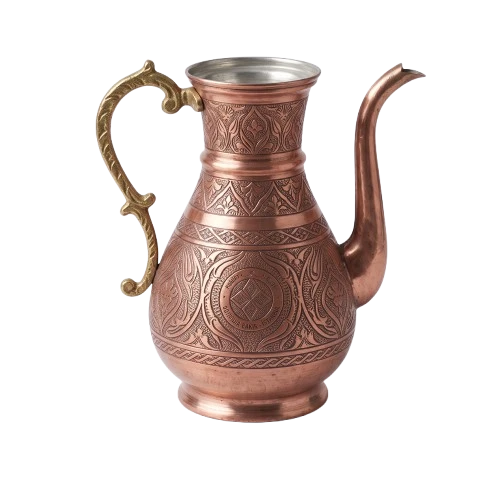
Pitchers & Ewers
Coffee Cups & Coffee Sets
Home Decor
Trays
Oil Lamps
Plates & Serving Platters
Gifts
Teapots & Samovars
Pots & Casseroles
Mortars & Grinders
Breakfast Sets
Copper Jewelry
Sugar Bowls & Spice Jars
Kitchen Utensils
Hammam & Bath
Candle Holders & Candlesticks
Incense Burners
Care & Accessories
Deals
Home
/
Coffee Cups & Coffee Sets
Copper Coffee Cups & Sets
17 products
Filters
Sort by
Recommended
Best selling
Most reviewed
Highest rated
Newest
Price: low to high
Price: high to low
Biggest discount
TOPTANBAKIR
Enameled Copper Coffee Cup Set of 6
No reviews yet
$106.00
Add to Cart
TOPTANBAKIR
Enameled Copper Coffee Cup Set of 4
No reviews yet
$70.45
Add to Cart
TOPTANBAKIR
Copper Coffee Cup Set of 2
No reviews yet
$37.21
Add to Cart
TOPTANBAKIR
Copper Coffee Cup Set of 4
No reviews yet
$65.14
Add to Cart
TOPTANBAKIR
Nickel-Plated Copper Coffee Cup Set of 4
No reviews yet
$62.48
Add to Cart
TOPTANBAKIR
Nickel-Plated Copper Coffee Cups – Set of 2
No reviews yet
$31.90
Add to Cart
TOPTANBAKIR
Enameled Copper Turkish Coffee Set N3
No reviews yet
$183.00
Add to Cart
TOPTANBAKIR
Copper Coffee Set 08
No reviews yet
$59.82
Add to Cart
TOPTANBAKIR
Hand-Engraved Copper Turkish Coffee Set N10
No reviews yet
$156.00
Add to Cart
TOPTANBAKIR
Enameled Copper Coffee Set N4
4.0 (1)
$136.00
Add to Cart
TOPTANBAKIR
Copper Turkish Coffee Set 06
No reviews yet
$59.82
Add to Cart
TOPTANBAKIR
Enameled Copper Tea Glass – Set of 6
No reviews yet
$95.69
Add to Cart
TOPTANBAKIR
Copper Coffee Cup Set of 6
No reviews yet
$87.72
Add to Cart
TOPTANBAKIR
Enameled Copper Turkish Coffee Set 002
5.0 (1)
$106.00
Add to Cart
TOPTANBAKIR
Enameled Copper Turkish Coffee Cup Set of 2
4.0 (2)
$50.50
Add to Cart
TOPTANBAKIR
Enameled Copper Coffee Set 003
No reviews yet
$90.38
Add to Cart
TOPTANBAKIR
Erzincan Hand-Engraved Copper Coffee Set – E1
No reviews yet
$67.80
Add to Cart
Same-Day Dispatch
For orders placed before 2:00 PM
24/7 Support
WhatsApp & phone line
Safe Shopping
256-bit SSL & PayTR protection
Manufacturer Warranty
Made in our own workshop
All Categories
Cezve (Turkish Coffee Pots)
Pans & Sahan
Glasses & Mugs
Pitchers & Ewers
Coffee Cups & Coffee Sets
Home Decor
Trays
Oil Lamps
Plates & Serving Platters
Gifts
Teapots & Samovars
Pots & Casseroles
Mortars & Grinders
Breakfast Sets
Copper Jewelry
Sugar Bowls & Spice Jars
Kitchen Utensils
Hammam & Bath
Candle Holders & Candlesticks
Incense Burners
Care & Accessories
Deals
Home
Categories
Cart
Wishlist
Account